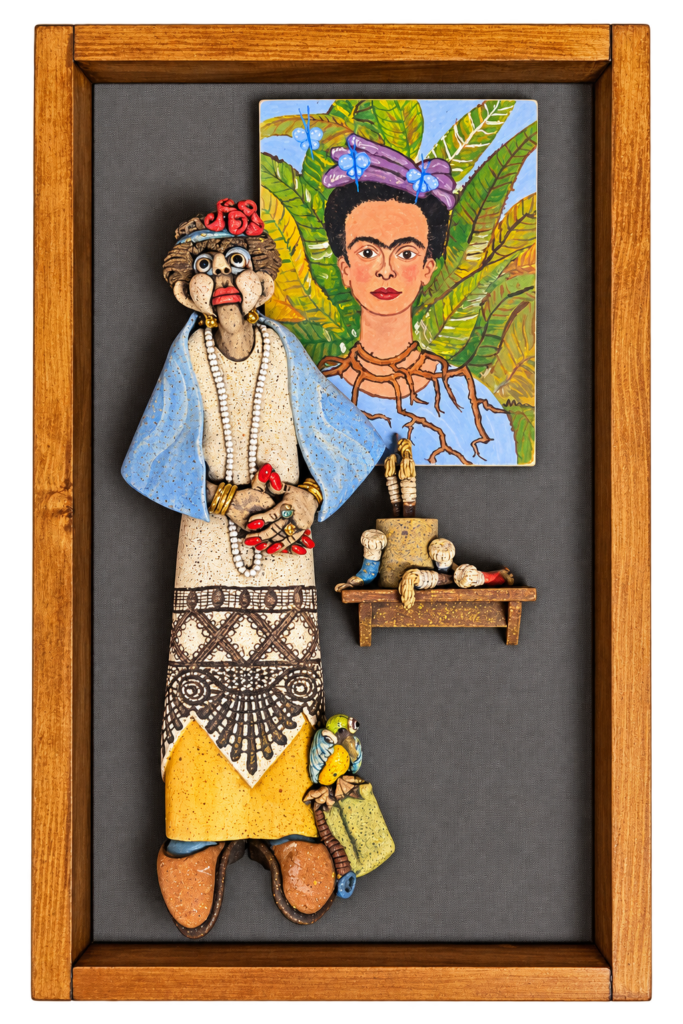
Frida Kahlo was a celebrated Mexican painter who lived from 1907 to 1954. She is best known for intensely personal self-portraits that explore physical pain, identity, relationships, Mexican culture, and the female experience.
At 18, Kahlo was gravely injured in a bus accident. During her long recovery, she began painting while confined to bed. The accident caused lifelong medical problems and chronic pain, subjects she frequently portrayed in symbolic and sometimes unsettling ways.
She married famous Mexican muralist Diego Rivera in 1929. Their relationship was passionate and turbulent—they divorced and later remarried. Both were politically active and strongly identified with Mexican history and culture.
Kahlo’s paintings are often associated with Surrealism, although she resisted that label, emphasizing that she painted her own reality rather than dreams. Today, she is regarded as an important figure in modern art and feminist art, as well as an enduring symbol of resilience and individuality.
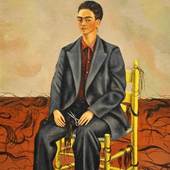
Here are four of Frida Kahlo’s most famous paintings:
Self-Portrait with Cropped Hair — 1940
Wearing an oversized suit and surrounded by her cut hair, Kahlo presents herself as independent following her divorce from Rivera.
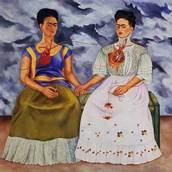
The Two Fridas — 1939
Two versions of Kahlo sit together with exposed, connected hearts. Painted around the time of her divorce from Diego Rivera, it explores loneliness and divided identity.
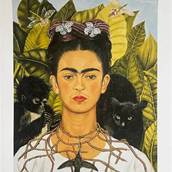
Self-Portrait with Thorn Necklace and Hummingbird — 1940
Kahlo surrounds herself with dense foliage, a monkey, a black cat and a dead hummingbird. The thorns cutting into her neck suggest suffering and endurance.
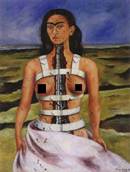
The Broken Column — 1944
Her damaged spine is represented by a fractured architectural column, while nails pierce her body. It is one of her starkest portrayals of chronic physical pain.