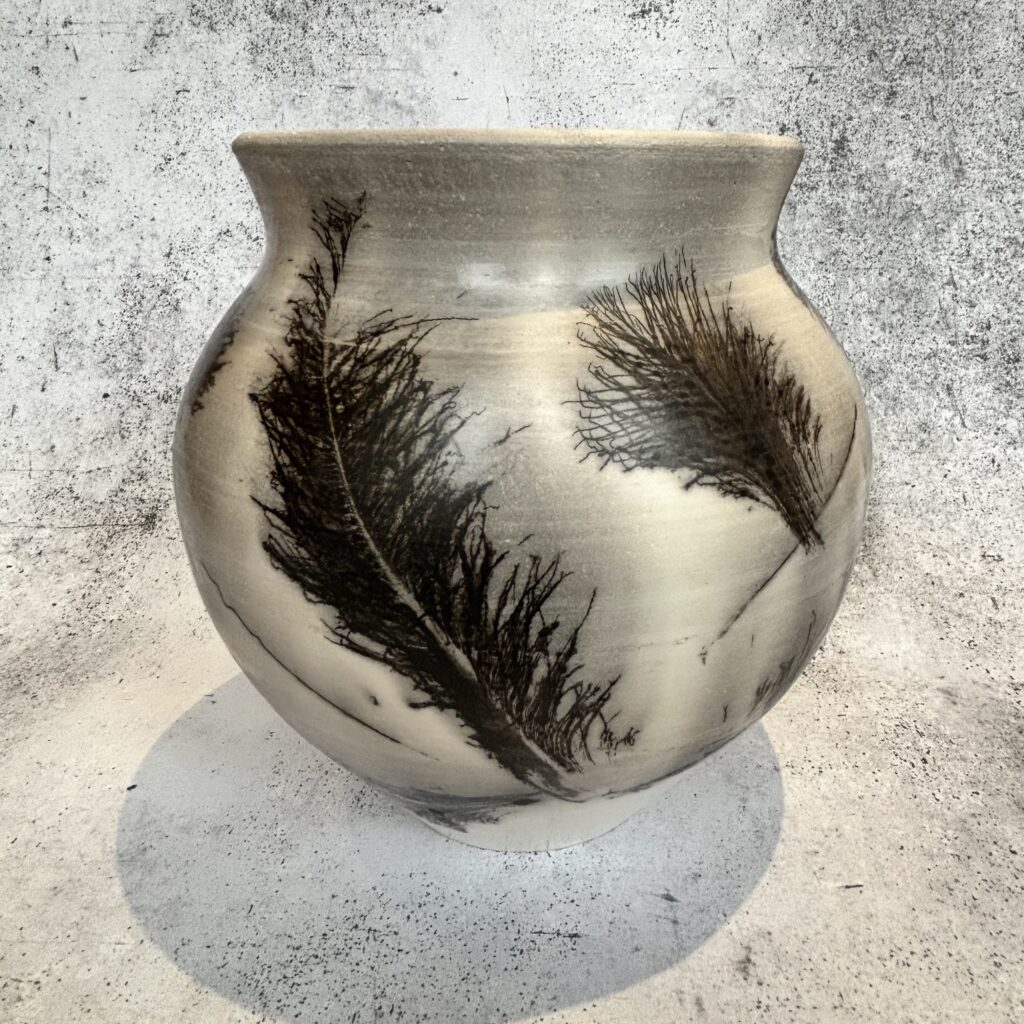
Where Fire, Earth, and Artistic Imagination Come Together
Raku pottery is a centuries-old ceramic art form celebrated for its dramatic colors, distinctive crackled glazes, and beautifully unpredictable finishes. Originating in 16th-century Japan, raku was traditionally associated with the Japanese tea ceremony, where handmade bowls reflected the philosophy of wabi-sabi—finding beauty in simplicity, imperfection, and the natural passage of time.
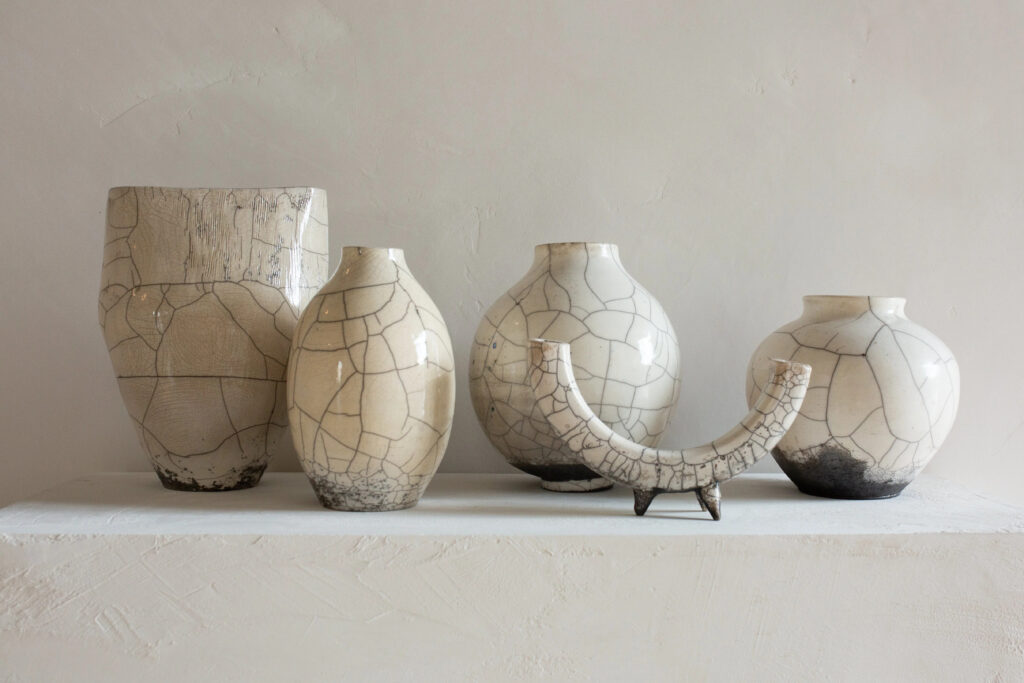
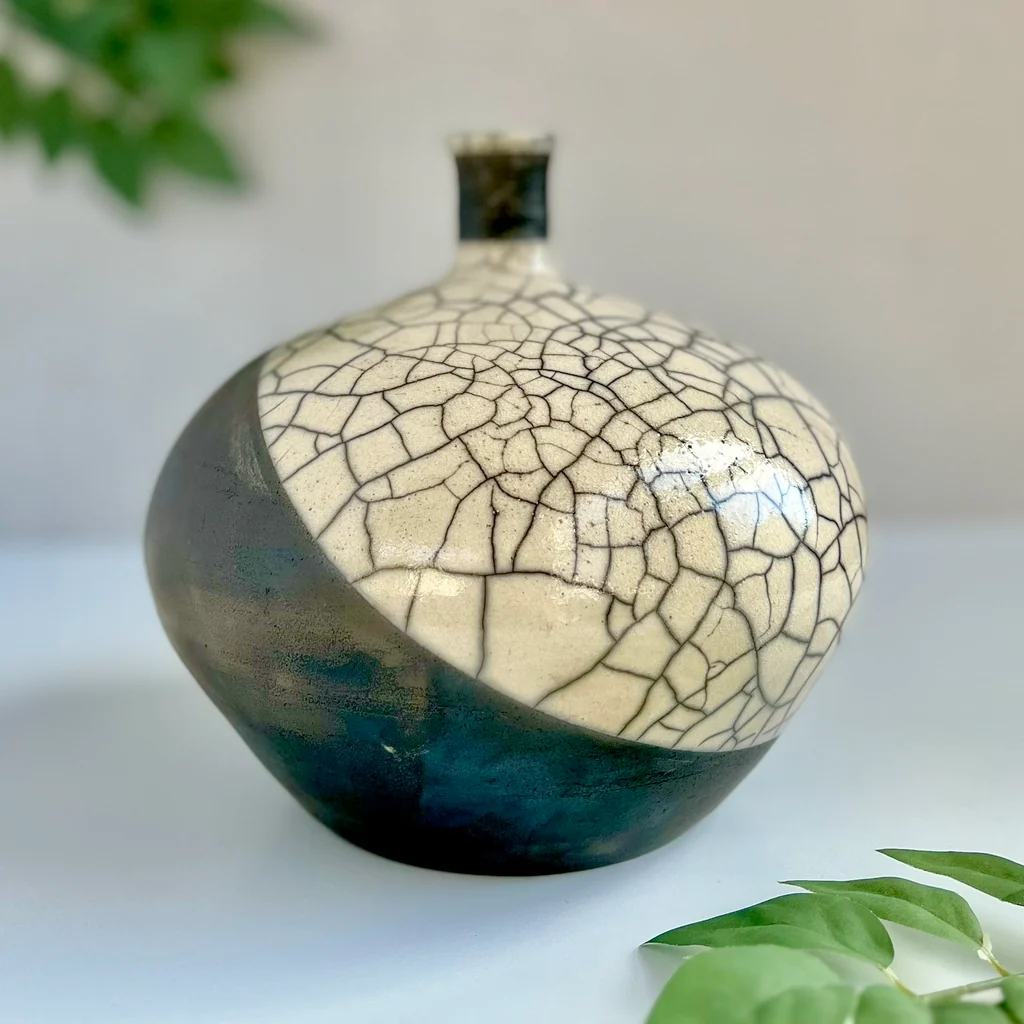
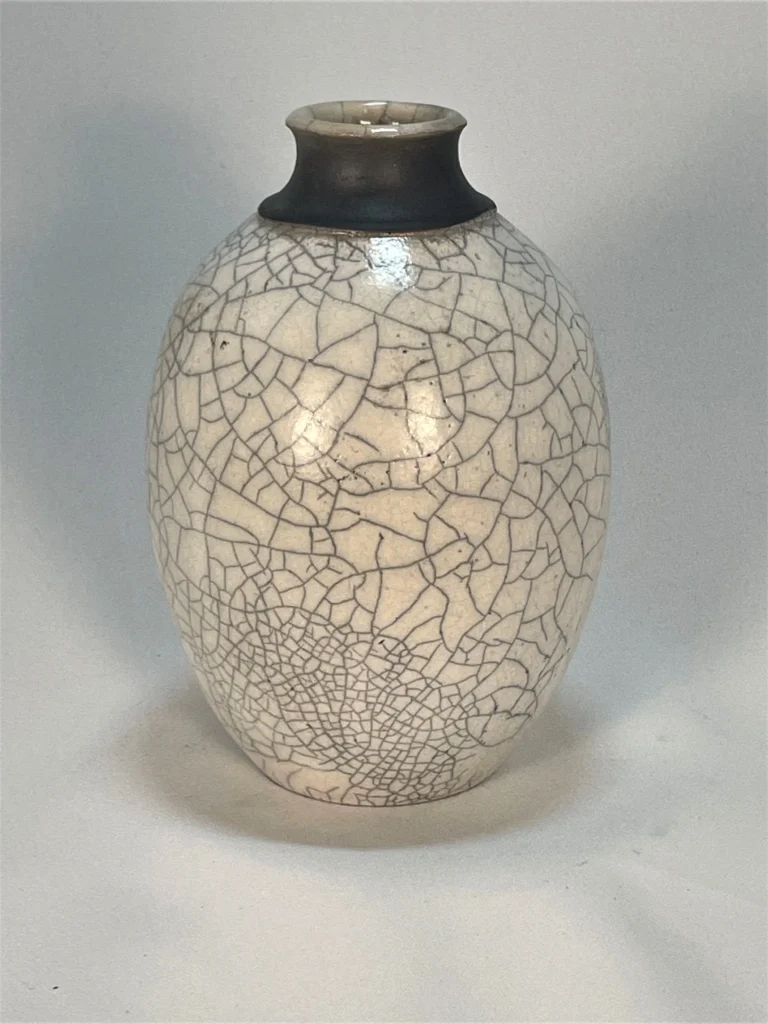
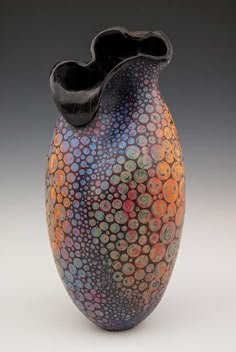
Unlike conventional pottery, raku is fired using a rapid heating and cooling process. In contemporary Western raku, pieces are often removed from the kiln while glowing hot and placed in combustible materials, such as sawdust or paper. The resulting smoke and reduced oxygen create fascinating surface effects, including metallic copper, iridescent blues and purples, smoky blacks, and intricate crackle patterns.
Every raku creation is truly one of a kind. Even the artist cannot completely predict how the flames, smoke, and glazes will interact. This element of surprise is what makes raku pottery so captivating—each piece captures a unique moment in the creative partnership between the artist and the fire. Traditional Japanese raku uses a different cooling approach, emphasizing subtle hand-shaped forms and rich red or black glazes. a risky business · V&A+1
What Makes Raku So Special?
Raku pottery occupies a fascinating space between fine art and traditional craftsmanship. Its beauty lies not in perfection, but in the remarkable effects of heat, smoke, chemistry, and artistic intuition. While originally created primarily for tea ceremonies, contemporary raku has evolved into an expressive art form encompassing decorative vessels, bowls, sculptures, and abstract works.
Because many contemporary raku glazes are porous, fragile, or unsuitable for food, these pieces are generally best appreciated as decorative works of art rather than everyday tableware.
For those who collect original ceramics, raku offers something especially appealing: no two pieces are ever exactly alike. Each carries its own distinctive colors, patterns, and character, making it a wonderful addition to a fine art collection.